
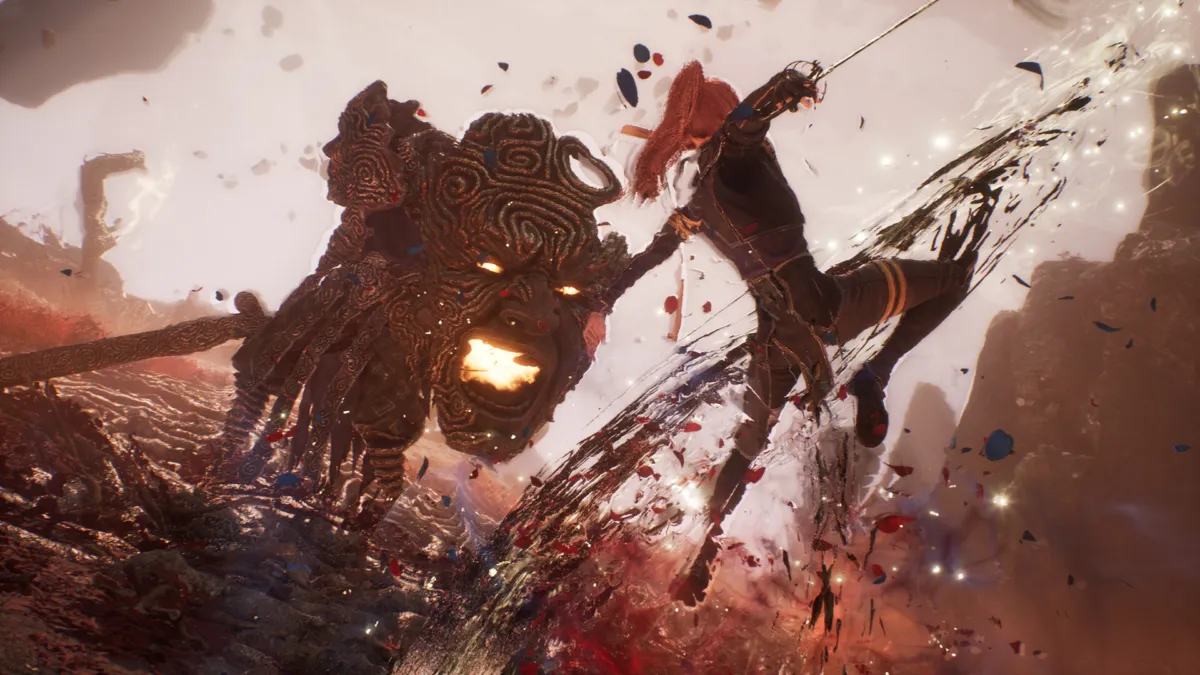
If you didn’t grow up playing video games 20 years ago, this might go over your head, but it’s simple: the people making AAA games are a big reason AAA game development is in the state it’s in. Games cost more than ever, development cycles run far longer than they need to, and release dates get missed so often that a delay barely counts as news anymore. Meanwhile, smaller studios keep out-producing the giants. The big studios put graphics over gameplay and profits over fun, and players are paying for it.
Nobody who owns a console is casual
Here’s the truth no one wants to admit: if you own a console, there really isn’t such a thing as a casual gamer. The industry sorts its audience into simple boxes without much understanding of who’s actually in them.
Take the “gun and ball” players, the ones who mostly play Call of Duty, Madden or NBA 2K. In a lot of online gaming circles, they get talked down to because their games supposedly aren’t “hard.” That’s simply not true. Getting good at ranked Call of Duty, competitive Madden or 2K’s online modes takes the same hours, muscle memory and game knowledge as getting good at a fighting game. Those players buy every year, play every night and know their games inside out. If that’s casual, the word means nothing.
When a studio treats its biggest, most loyal audience as unsophisticated, the label stops describing players and starts excusing bad design decisions.
“Gamers are over” didn’t age well
Back in August 2014, Leigh Alexander, then editor-at-large at Gamasutra, published a widely shared column titled “‘Gamers’ don’t have to be your audience. ‘Gamers’ are over.” The argument, roughly, was that developers didn’t need to build for the traditional gamer audience anymore.
Part of that was fair. Games should be about more things and made by more people, and the industry is better when they are. But a lot of studios took the business lesson from it: you don’t need to know exactly who your game is for. That’s where things went wrong.
A game that’s built to appeal to no group in particular has nothing to anchor it. Plenty of songs get played everywhere and still aren’t anyone’s favorite. Broad exposure isn’t the same thing as fans who show up at launch, and the studios that confuse the two keep finding that out the hard way.
When prestige is the only selling point
Don’t Nod’s first Life is Strange was a genuinely fresh idea when it came out in 2015, and it earned the studio a loyal following. Since then, Don’t Nod has released a run of narrative games that were respected, and some well reviewed, but too often marketed on one line: from the studio that made Life is Strange. In 2023 the company announced a restructuring plan that put dozens of jobs at risk after recent releases fell short of expectations. Prestige gets a game noticed. It doesn’t sell one on its own.
Double Fine is a similar story. Tim Schafer’s studio spent seven years inside Microsoft, from 2019 to 2026, and fans assumed that meant a big swing, maybe the Brütal Legend sequel people have wanted since 2009. Instead it shipped Keeper in 2025, which critics liked and few people bought, and Kiln, a pottery party game that landed with a much quieter reception earlier this year. Double Fine went independent this year, cutting 23 jobs on the way out. Schafer has said the split came down to Xbox’s new direction under CEO Asha Sharma, not money alone. Even so, with Microsoft’s resources behind it, the studio made games that a large share of its own fans weren’t asking for.
The contrast with the hits is hard to ignore:
| Game | Studio | What happened |
|---|---|---|
| Concord | Firewalk (Sony) | Offline two weeks after its August 2024 launch, studio closed |
| Keeper | Double Fine (Microsoft) | Critical praise, weak sales |
| The Outer Worlds 2 | Obsidian (Microsoft) | $79.99 price cut to $69.99 before launch after player pushback |
| Clair Obscur: Expedition 33 | Sandfall Interactive (small, independent) | 8 million copies in its first year |
Clair Obscur is the clearest example. A small French studio made a turn-based RPG, a genre big publishers spent a decade calling niche, priced it below a typical AAA release and sold 8 million copies in a year. It knew exactly who it was for.
It should be a job
I get it. No one wants to lose their job, and there’s no case for celebrating layoffs. But game development is a job, and like any job in this market, it comes with accountability. The popular story is that publishers are evil and developers lose their jobs for no reason. Sometimes that’s true. But there’s also a lot of mismanagement across the industry: projects that run years over schedule, budgets that balloon, and missed milestones that nobody seems to answer for. Hitting a deadline and shipping a game people want to buy is the work.
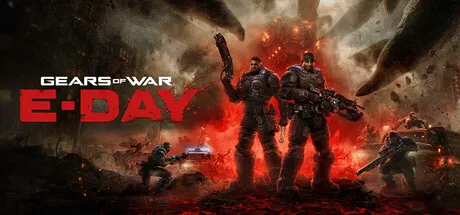
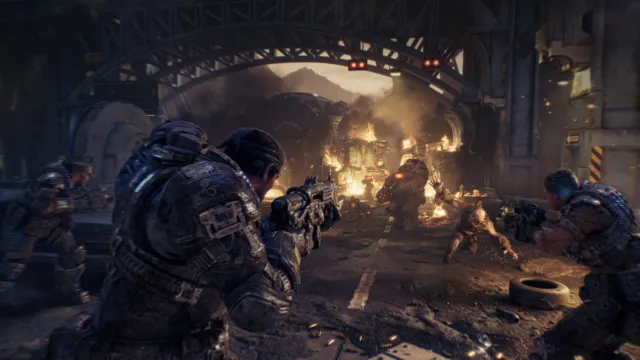
The bill for all of this lands on players. When a game takes six or seven years and misses its date twice, someone pays for those extra years, and publishers pass that cost on through higher prices, paid DLC and full-price remakes of older games. Sony charged $69.99 for The Last of Us Part I, a remake of a 2013 game. We noted on October 10 that Gears of War: E-Day’s sales made a weak case for the $70 Xbox game, and Xbox’s own CEO has reportedly told staff Xbox won’t survive without new IP. When the people at the top say the model is broken, players who stopped buying at launch weren’t being difficult. They were early.
What would fix it
- Know your audience. Respect the players who already buy your games, including the gun and ball crowd.
- Scope to ship. A tighter game that comes out on time beats a bigger one that slips three times.
- Gameplay before graphics. A game that plays well holds up long after its visuals stop impressing anyone.
- Price for the product. If a game needs $80, a season pass and a deluxe edition to break even, the problem started long before launch.
The big studios still have the talent and money to make the best games in the world. Right now, too many of them are using it to make games for everyone, which in practice means games for no one. Smaller studios have figured that out. It’s time the rest of the industry did too.
Edited by Kerwin Stewart, Editor-in-Chief · How we report

Comments
Join the discussion What do you think? Tell us in the comments below.
Loading comments…