
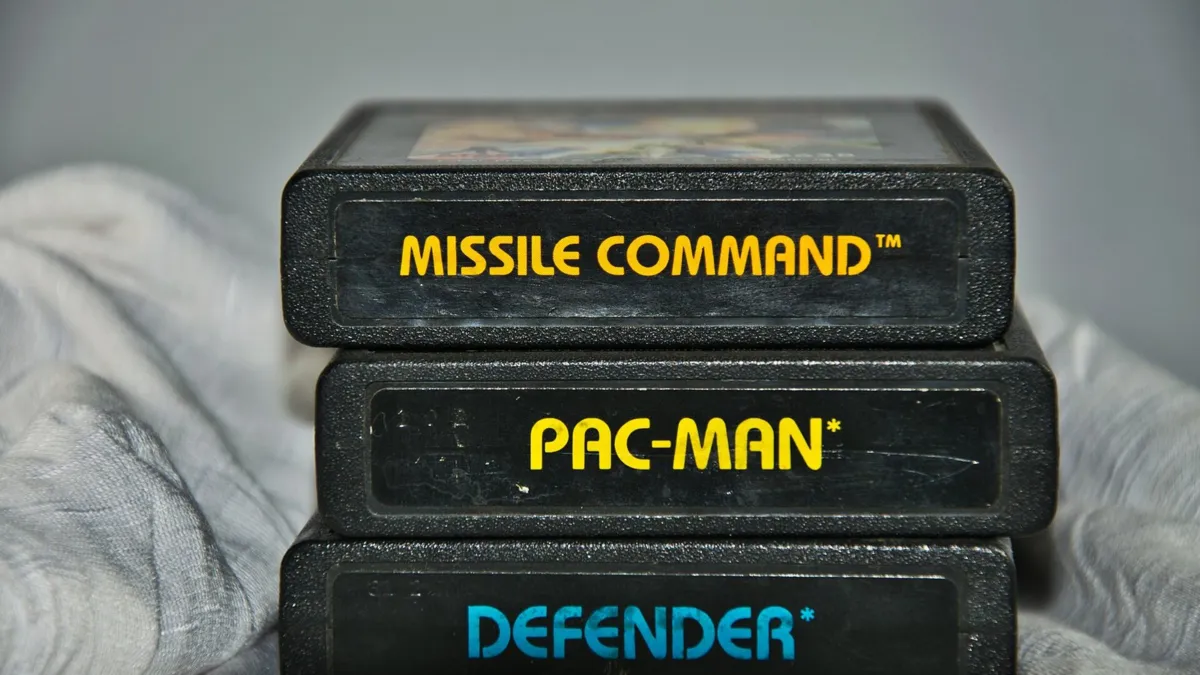
A gaming backlog is a library, not a debt. You don’t have to finish every game you own: play one main game at a time, favor short games, and buy less on sale. Here’s how to make the pile fun again.
Most players own far more games than they’ll ever finish. Seasonal sales, subscription catalogs and free giveaways mean the pile grows faster than anyone can play through it. Somewhere along the way, a hobby starts to feel like homework.
Stop counting, start choosing
You don’t owe a game your time just because you bought it. Give yourself permission to drop games that aren’t grabbing you after a few hours. The money is spent either way; forcing yourself through a game you don’t enjoy doesn’t get it back.
Play one “main” game at a time
Juggling five big games means making progress in none. Pick one main game, plus one short or casual game for nights when you’re tired. When the main game ends, pick the next one deliberately rather than starting whatever’s newest.
Favor short games
There’s a wonderful world of games you can finish in a weekend. HowLongToBeat lists player-reported completion times for most games, so you can sort your backlog by length and start with something under ten hours. Finishing something feels great, and it breaks the paralysis of staring at a huge list.
Buy less, wishlist more
Put games on your wishlist instead of buying them on sale “for later.” When you’re ready for a new game, check what’s discounted then. Our guide to spotting a real deal explains how to tell a historic low from a routine sale.
Use subscriptions as a sampler
A subscription catalog like Game Pass or PlayStation Plus works best as a way to try games, not another pile to clear. If something doesn’t click in an hour, move on; it cost you nothing extra.
Plan around the big releases
Big launches eat whole months. If you know GTA 6 is going to take over your November, use October for short games you’ve been meaning to finish. We counted the dated games on our Release Calendar: 20 of them land between October 10 and GTA 6 on November 19, as of October 9. Nobody can play all of that, which is exactly why choosing beats keeping up.
Make sessions count
Long games feel endless when you only play in 20-minute bursts. If your time is short, pick games built for short sessions: roguelikes, puzzle games, sports games and anything with quick runs. Save the 60-hour epics for holidays and long weekends, when you can actually sink in and remember what happened last time you played.
It also helps to end a session at a natural stopping point you’ll remember, like a new area or an unopened quest. Coming back is much easier when you know exactly what you were doing.
Revisit, don’t restart
Coming back to a big game after months away is where backlogs stall. You’ve forgotten the controls and the story, so restarting feels tempting. Try a quick refresher instead: most games have a story recap in the menu, and a two-minute video on the controls gets you moving again. Restarting a 40-hour game is how one backlog entry quietly becomes three. Give the refresher one evening before you decide.
Let some games go
Some games on your list were bought for a mood that’s passed. That’s fine. Remove them from your “someday” list entirely. A shorter list is easier to choose from, and you can always return to anything you own.
Share the pile
Playing with a friend or partner turns the backlog into a plan. Co-op games, couch games and “we both play it this month” picks give you a reason to start, and someone to talk about it with.
A simple system
| Shelf | What goes on it | Rule |
|---|---|---|
| Now playing | One main game, one short game | Finish or drop before adding |
| Up next | Three games you’re excited about | Reorder freely |
| Someday | Everything else | No guilt, no deadline |
Our read: the backlog only feels like a problem if you treat it as a to-do list. Treat it as a menu and it becomes the best part of the hobby: there’s always something good to play.
Edited by Kerwin Stewart, Editor-in-Chief · How we report


Comments
Loading comments…