
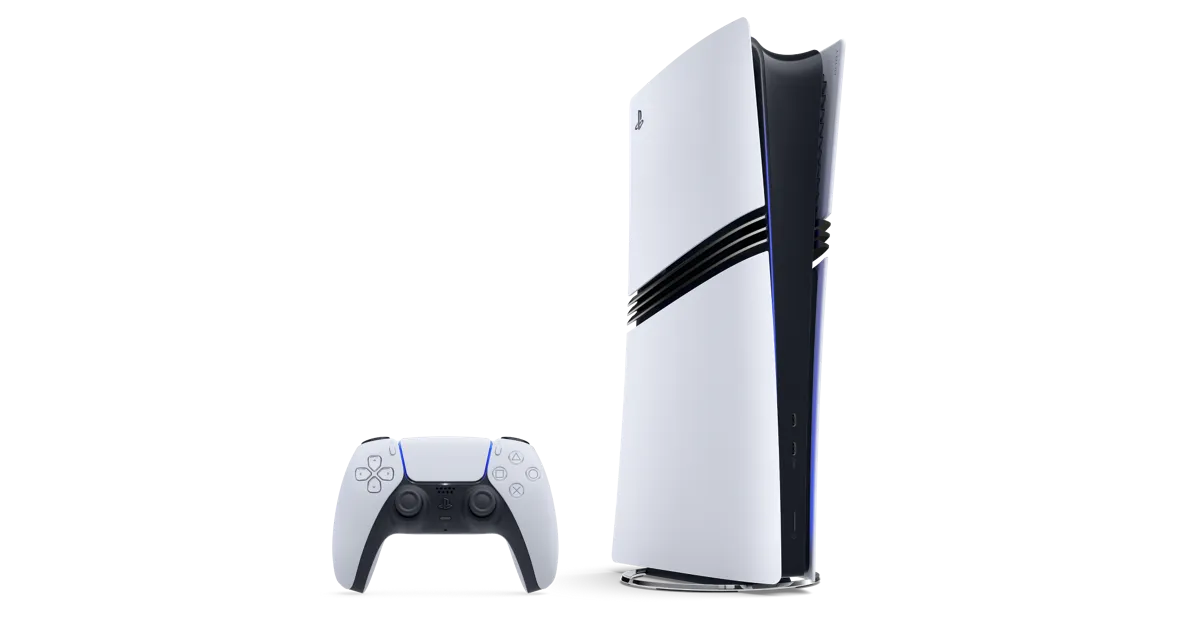
The short version: Microsoft’s October 2026 GDK lets developers try ACO, an AMD shader compiler from Linux, on Xbox Series X|S. Microsoft says early tests showed gains of 2% to 16%. It also added FSR 4.1.2 upscaling. Sony’s big hardware story this year was a price hike: $649.99 for a PS5 and $899.99 for a PS5 Pro. If you care about how games actually run, that gap tells you a lot about where each company’s attention is.
This is an opinion column.
What Microsoft actually shipped
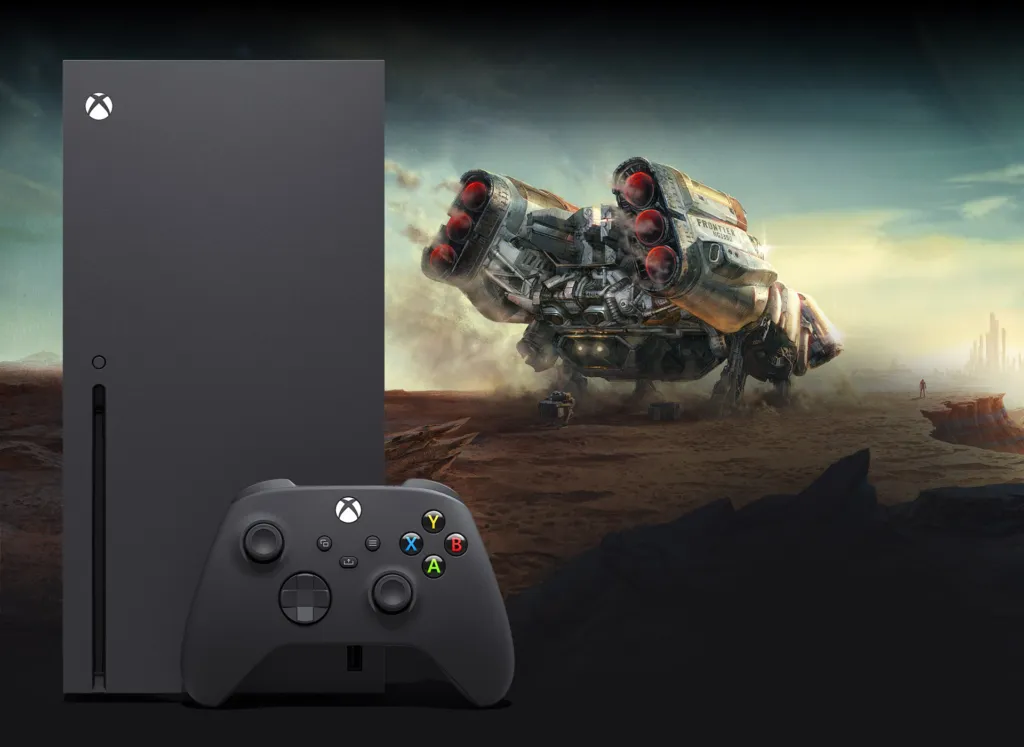
Let’s keep this honest, because the Xbox news is easy to oversell.
Microsoft’s October 2026 Game Development Kit includes an experimental option to compile shaders with ACO. A shader compiler is the software that turns a game’s graphics code into instructions the GPU can run, so a better one can mean faster frames with no new hardware. ACO is the AMD compiler backend from the open-source Mesa project. Valve backed its development, and it is the same compiler that drives AMD graphics on Linux and the Steam Deck. Unlike more general compilers, it was built specifically for AMD’s GCN and RDNA chips, and the Series X and Series S use RDNA 2.
According to Microsoft’s GDK documentation, early testing found improvements of 2% to 16% over the standard Xbox shader compiler. That figure covers both compile time and runtime performance. Microsoft has not published game-by-game results or its test method. ACO is also opt-in for developers, so it won’t speed up a game you already own until its studio decides to use it.
The same GDK adds AMD FSR 4.1.2 to Series X|S. FSR is AMD’s upscaler: it renders a game at a lower resolution and rebuilds a sharper image, buying back performance. The update covers both consoles, including Full and Lite INT8 upscaling models. Earlier, Microsoft’s Advanced Shader Delivery cut shader compilation time by about 95% in Gears of War: E-Day.
None of this is a miracle. Taken together, though, it shows a platform holder still working to get more out of six-year-old hardware for the people who already bought it.
What Sony shipped instead
On March 27, 2026, the PlayStation Blog announced that, citing “continued pressures in the global economic landscape,” Sony would raise console prices worldwide starting April 2:
| Hardware | Before | After (US) |
|---|---|---|
| PS5 | $549.99 | $649.99 |
| PS5 Digital Edition | $499.99 | $599.99 |
| PS5 Pro | $749.99 | $899.99 |
| PlayStation Portal | $199.99 | $249.99 |
Then, in May, PS Plus Essential went up for new subscribers on the 1-month and 3-month plans, to $10.99 and $27.99.
Let that sink in. Six years into the generation, a box that launched at $499 now costs $650. The “Pro” model, the one sold to the enthusiast crowd, costs as much as a decent gaming PC. A console generation usually gets cheaper as it ages. This one went the other direction.
Why hardcore players should care
The hardcore player is exactly the person who notices a 10% frame-time improvement, who turns on a performance mode before touching the story, and who can tell an upscaler’s artifacts from native output. That player is also the one Sony is asking to pay the most: $900 for the Pro and rising subscription costs just to play online. And current consoles still have hard limits: Rockstar says GTA 6 targets 30fps on current consoles, so every bit of extra performance matters.
Here is what that $900 doesn’t get you:
- Upgrades before the bill. Sony has shipped real upgrades this year. PSSR (PlayStation Spectral Super Resolution) is Sony’s AI upscaler for the PS5 Pro, and an improved version built on AMD FSR 4 tech arrived in February, with a system-wide toggle in March. On November 13, Sony started bringing QSSR, a version of that upscaler for the standard PS5, beginning with Marvel’s Spider-Man 2 and five more games, each needing its own patch. That’s good news. But it landed seven months after every PS5 model got $100 to $150 more expensive.
- Openness. Microsoft’s newest performance tool came straight from the Linux and Steam Deck world. PlayStation is still the most closed ecosystem of the three, and closed ecosystems tend to mean higher prices with fewer ways out.
- Price stability. Two console price increases in under a year tell PlayStation’s most loyal buyers that the price on the box is temporary.
2026 at a glance: who got what
| Xbox Series X|S | PlayStation 5 / PS5 Pro | |
|---|---|---|
| New upscaler | FSR 4.1.2 (October GDK) | Upgraded PSSR on Pro (Feb–Mar); QSSR on base PS5 (from Nov 13) |
| Which consoles get it | Series X and Series S, per game | PS5 Pro system-wide; base PS5 per game, 6 confirmed so far |
| Shader compiler work | ACO, experimental, 2–16% in Microsoft’s tests | Nothing announced |
| Base console price (US) | — | $649.99 (was $549.99) |
| Top model price (US) | — | PS5 Pro $899.99 (was $749.99) |
Both companies are now chasing the same thing: more performance from aging AMD hardware through software. The difference is the order. Sony raised prices in April, and the base PS5’s upscaler only started arriving in November, one patched game at a time. Microsoft’s compiler and FSR 4.1.2 are also opt-in for developers, so neither side is handing out free frames overnight. For a hardcore player, though, seven months of paying more for the same box before the upgrades showed up is the part that stings.
The fair counterpoint
PlayStation still has the strongest first-party lineup of the generation, and it remains the default home for most third-party blockbusters. Xbox has its own credibility problems: it has also raised prices, it has shrunk its exclusives, and it now ships its own games on PS5. Its next console, Project Helix, still has no price or date. An experimental compiler with no confirmed games yet won’t change anyone’s buying decision this Black Friday.
But “we have the games” was the answer in 2020, too. In 2026, the question hardcore players are asking is different: what is the platform doing for me after I’ve paid? Right now, Microsoft is answering with engineering. Sony is answering with an invoice.
Bottom line
Sony doesn’t need to copy Microsoft’s compiler. It does need to give its most dedicated players a reason to believe the PS5, and especially the $899.99 PS5 Pro, is getting better rather than just getting more expensive. Until then, the value story for the hardcore crowd belongs to someone else.
Official sources
- Microsoft Game Development Kit, “What’s new” (October 2026 GDK)
- PlayStation Blog, “New Price Changes for PS5, PS5 Pro, and PlayStation Portal remote player,” March 27, 2026
Via Wccftech.
Edited by Kerwin Stewart, Editor-in-Chief · How we report





Comments
Join the discussion What do you think? Tell us in the comments below.
Loading comments…