

In brief
- Fox News segments have framed Grand Theft Auto VI as senseless violence, but the game is rated M and was never made for kids.
- Rockstar’s new Criminal Profile tracks how you commit crimes, and NPCs can now notice you, defend themselves and fight back.
- A separate relationship system lets Jason and Lucia’s bond grow through what players do together in the open world.
Fox News, much like many news outlets in today’s media climate, features commentators who, in many cases, have never played a single video game but are more than willing to discuss the supposed impact that playing Grand Theft Auto VI will have on young and impressionable gamers. However, that’s where the problem begins: Grand Theft Auto isn’t for children, and it never has been. Take-Two’s own launch announcement notes the game is rated M for Mature by the ESRB.
It’s the responsibility of parents to determine what their children can and cannot play. Fox News’ responsibility is to report on the game’s release and inform its audience of the pros and cons of purchasing it. Instead, the network often relies on emotional reactions and sensationalism to generate discussion and attract viewers. In one Fox & Friends Weekend segment in October, contributors Ben Domenech and Joe Concha talked about the game in terms of “anarchy” and “debauchery,” and the discussion drifted into whether people over 40 should be playing games at all. Rather than focusing on the facts, actually playing the game, and offering an informed view of its potential dangers, commentators fall back on familiar talking points. Violence in video games is the oldest one of all. To be fair, the same segment landed on the right answer in the end: both contributors largely argued that parents should decide what their children play. That’s the point this piece makes too.
But here’s what they’re missing: senseless violence is a criticism rooted in an older understanding of video games. Grand Theft Auto VI builds upon the franchise’s traditional open-world formula by introducing a more detailed and reactive environment. The world isn’t simply a playground for destruction; it’s an environment populated by characters with their own personalities, routines, and reactions to the events happening around them.
Beyond Senseless Violence: The Criminal Profile System
One of the most interesting additions to Grand Theft Auto VI is Rockstar’s Criminal Profile system. The Criminal Profile is a hidden system that tracks the style of crime you commit, not just how much of it. Unlike previous installments, where players could largely engage in destructive behavior without much consequence beyond attracting police attention, GTA VI introduces a system that tracks the kind of criminal the player is becoming.
In an interview with IGN, Rockstar North’s Head of Development and Co-Studio Head, Rob Nelson, explained the philosophy behind the system:
“There isn’t a right or wrong way to play this game, but consistent sorts of actions may have an impact in terms of how the world reacts to you and how the narrative plays out.”
That’s an important distinction. Rockstar isn’t necessarily rewarding players for being good or punishing them for being bad. Instead, the game evaluates the kind of criminal you’re becoming. Are you someone who plans robberies, gets in, and gets out? Or are you someone who creates unnecessary chaos, engages in excessive violence, and leaves destruction everywhere?
According to Nelson, completing the necessary actions during a mission, robbing a business, or defending yourself against someone who initiates a confrontation won’t necessarily change your profile. However, consistently going beyond what’s necessary or creating unnecessary violence can influence it.
This is where the system becomes particularly interesting. Rockstar is introducing a level of behavioral accountability that goes beyond simply assigning players a wanted level. Your actions can influence how the surrounding world responds to you and potentially how the narrative unfolds.
In fact, Nelson specifically distinguished the Criminal Profile from the honor system in Red Dead Redemption 2. The intention isn’t to force players into making morally correct decisions. It’s to create a world where their behavior has consequences.
And that distinction matters when discussing the game’s violence. Rockstar isn’t removing the freedom to commit crimes or engage in violent activities. It’s making those decisions more meaningful within the context of the world.
A World That Responds to Your Actions
The Criminal Profile isn’t the only example of Rockstar attempting to create a more believable environment.
Rockstar has also expanded its approach to interactions with non-playable characters, commonly referred to as NPCs. In previous Grand Theft Auto games, pedestrians often served as background characters. They reacted to violence, ran away from danger, and occasionally called the police. But their interactions were generally limited.
GTA VI takes that concept further.
Nelson explained that Rockstar pushed NPC interactions as far as possible in Red Dead Redemption 2, but wanted to take those systems even further in GTA VI. Characters can notice when you’re following them, recognize when you’re listening to their conversations, and respond differently depending on the situation.
Nelson also made an important observation about previous installments, as GamingBolt reported:
“In previous games, you’re quite overpowered in the world compared to everyone else apart from the cops, which can be fun.”
GTA VI, he said, aims for a world with other people who “have impulses on their own and act upon you.” That’s a fundamental change in how Rockstar approaches its open-world design.
In previous GTA games, players often felt almost invincible. Outside of law enforcement, most characters would simply run away when confronted with violence. GTA VI attempts to change that dynamic. Other characters can have their own impulses, defend themselves, and respond aggressively when provoked.
As Nelson explained, players are no longer the only people capable of violence or carrying weapons. The surrounding world is designed to be more unpredictable.
And that’s precisely what makes the Criminal Profile and NPC interaction systems so interesting. The game isn’t simply allowing players to commit crimes; it’s creating an environment that responds to how they choose to commit them.
Jason and Lucia: More Than Just Criminals
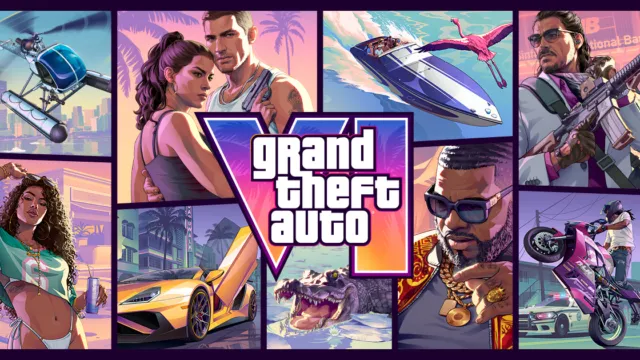
Then there’s Jason and Lucia, the game’s two protagonists, whose relationship adds another layer to the experience.
Rockstar has confirmed that the game features a separate relationship system alongside the Criminal Profile. According to Nelson, players can develop that relationship by spending time together, exploring the world, participating in activities, and even committing crimes together.
The relationship between the protagonists isn’t simply something that exists during scripted story missions. It’s something players can develop through their actions in the open world.
Whether they’re playing pool, going kayaking, exploring the environment, or robbing a bank, the time they spend together can influence their relationship.
This creates an interesting contrast between the two systems. The Criminal Profile tracks the kind of criminal you’re becoming, while the relationship system tracks the bond between Jason and Lucia.
| System | What it tracks | What it changes |
|---|---|---|
| Criminal Profile | How you commit crimes: necessary force vs. excess chaos | How the world reacts to you and how the story plays out |
| NPC reactions | Whether you follow, eavesdrop on or provoke people | People can notice you, defend themselves or fight back |
| Relationship | Time Jason and Lucia spend together, including crimes | The bond between the two protagonists |
They’re separate systems, but all three shape how players experience the world and its characters.
They’re not simply predictable characters who exist to facilitate violence. Their personalities, relationships, decisions, and circumstances are central to the experience.
And that’s the point: GTA VI appears to be exploring more than just the consequences of criminal activity. It’s also exploring the relationships and circumstances that exist between the people committing those crimes.
The Problem With Sensationalism
That’s why the criticism surrounding GTA VI deserves more scrutiny.
The game is being labeled senselessly violent, yet much of the discussion among gamers has focused on the depth of its world, its characters, and the potential consequences of player decisions.
The critics who actually played it saw the same thing. In our roundup of the launch reviews, IGN gave GTA VI a 10 out of 10 after more than 100 hours on a standard PS5, and Eurogamer, GamesRadar+, ScreenRant and TheGamer all gave it top marks. What they praised wasn’t the violence. GamesRadar+ singled out the environmental storytelling, down to a missing person’s notice on a milk carton. Eurogamer described Leonida as a place where characters seem to live their own lives when the player isn’t watching. Reviewers also pointed to a tighter economy than GTA V, where money comes slower and vehicle condition matters, so small decisions add up.
That’s a world built around consequences and detail, not a mindless murder simulator.
There is a legitimate conversation to be had about violent video games, their intended audiences, and their potential effects on younger players. However, that conversation should be informed by an understanding of what these games actually contain.
It’s easy to take a handful of violent gameplay clips, put them on television, and construct an argument around the dangers of video games. It’s considerably harder to examine the systems, storytelling, and design decisions that make those experiences more complicated.
And that’s where Fox News misses the mark.
If the network wants to have a serious conversation about the potential effects of video games on younger audiences, it should start by understanding the products it’s criticizing. That means examining the ESRB rating, understanding the intended audience and interviewing the developers. It also means evaluating the game beyond its most controversial moments.
Ultimately, parents have a responsibility to understand what their children are consuming. Developers have a responsibility to communicate the content and intended audience of their products. And news organizations have a responsibility to provide accurate, informed reporting.
Sensational headlines might generate attention, but they don’t replace informed criticism.
You don’t have to like Grand Theft Auto. You don’t have to purchase GTA VI. And you certainly don’t have to agree with Rockstar’s creative decisions.
But you cannot fairly criticize a game you haven’t taken the time to understand.
If you want to judge it for yourself, start with our roundup of the GTA VI reviews, our beginner’s guide to Leonida’s six regions, and the launch details for PS5 and Xbox Series X|S. For the scale of the conversation, Take-Two says the game made $3.79 billion on day one.
Edited by Kerwin Stewart, Editor-in-Chief · How we report



Comments
Join the discussion What do you think? Tell us in the comments below.
Loading comments…