
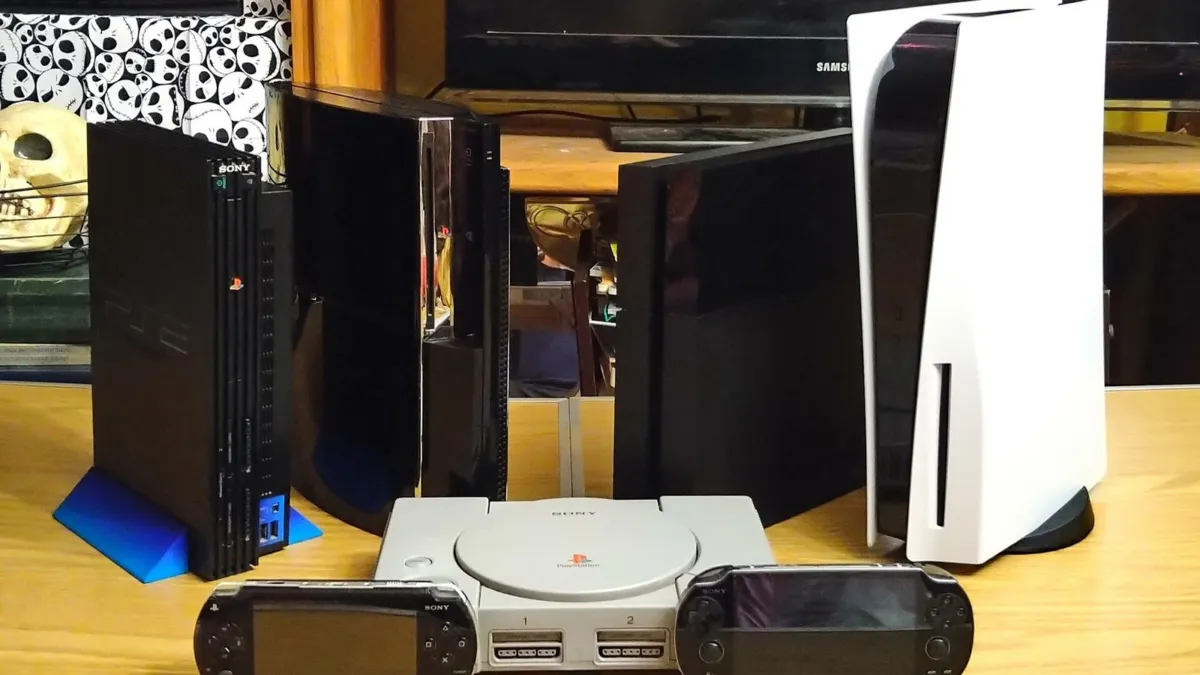
The best gaming platform is the one that fits the games you want and the way you play. Answer five questions below and the choice usually makes itself; the comparison table at the end sums it up.
Console wars make great comment sections and terrible buying advice. This guide skips the spec-sheet arguments and focuses on what changes your day-to-day experience.
1. Which specific games do you want to play?
This beats every other factor. Exclusives still exist. Nintendo’s big franchises, like the upcoming Ocarina of Time remake, only live on Nintendo hardware. Microsoft keeps some games off PlayStation entirely, as with Gears of War: E-Day, while others go everywhere. Sony usually brings its first-party games to PC a year or more after the PS5 release.
Write down the five games you’re most excited about and check where each one lands. Our Release Calendar lists platforms for every confirmed date. If four of your five games are on one system, you have your answer.
2. Where do you play?
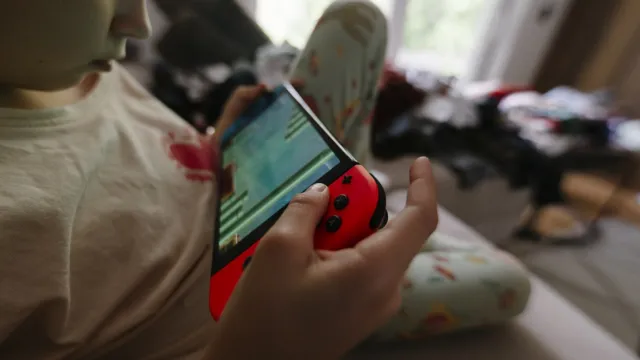
If you play on the couch, on the bus and in bed, a hybrid or handheld is hard to beat. The Nintendo Switch 2 is a hybrid: it docks to a TV and works as a handheld. On the PC side, Valve’s Steam Deck plays much of the Steam library on the go.
If you have a dedicated TV or desk setup, a home console or gaming PC gives you more power for the money.
3. Who are you playing with?
If your friends are all on one platform, that matters more than a few extra frames per second. Cross-play is common now in big multiplayer games such as Modern Warfare 4, but it isn’t universal. Party chat and invites are still easiest when everyone is on the same system.
4. How do you like to pay?
A game subscription is a monthly fee for access to a rotating library of games. Xbox Game Pass is the best known and includes Microsoft’s own games on launch day; PlayStation Plus and Nintendo Switch Online offer catalogs of their own.
Subscriptions are great value if you like trying lots of games. If you buy only a few big releases a year, compare the yearly subscription cost with simply buying those games. PC players benefit from frequent storefront sales, and console players benefit from a lower upfront hardware cost.
One caution for 2026: console prices are at record highs in the US, according to Circana data covered in our report on the sales slump. Budget for the hardware and a year of online play, not just the box.
5. How much tinkering do you enjoy?
Consoles are plug-in-and-play. PCs reward tinkering, such as mods, settings and upgrades, but ask more of you when something goes wrong. If tuning settings sounds fun, our PC graphics guide is a good taste of what that hobby looks like.
What about upgrading later?
Platforms differ in how long a purchase lasts. Xbox has the strongest backward compatibility, running many Xbox One, Xbox 360 and original Xbox games. PS5 plays most PS4 games. Switch 2 runs most original Switch games, and some get paid upgrade editions. On PC, your Steam library comes with you to every new machine you build, which is the biggest long-term advantage of the platform.
If you already own a big library on one system, that’s a strong reason to stay. Switching means rebuying or leaving games behind.
The short version
From our research across the platform holders’ own pages, here’s how the choice usually breaks down:
| If you want… | Best fit | Why |
|---|---|---|
| Nintendo’s games or a true portable | Nintendo Switch 2 | Only place for Mario and Zelda; hybrid design |
| Big single-player exclusives on a TV | PlayStation 5 | Sony’s first-party games launch here first |
| Subscription value and backward compatibility | Xbox Series X|S | Game Pass includes new Microsoft games at launch |
| Flexibility, mods and frequent sales | Gaming PC or Steam Deck | Open storefronts and upgradeable hardware |
Our read: if you’re stuck between two, pick the one your friends use. You’ll play more, and that’s the point.
Edited by Kerwin Stewart, Editor-in-Chief · How we report

.jpg)
Comments
Loading comments…