

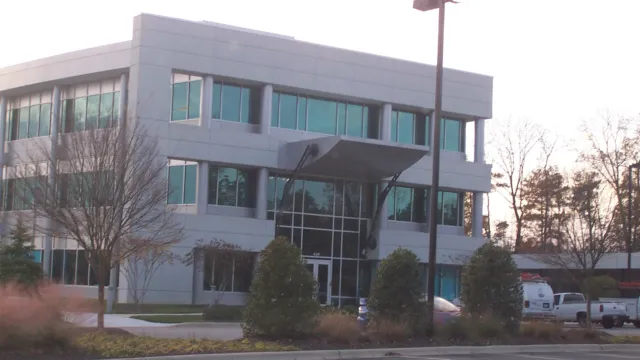
Epic Games is a Cary, North Carolina–based game studio, and it has reportedly delayed the launch of its upcoming Disney project so the studio can shift the game to an “AI first” production model. Generative AI is the technology in question, and the change was first reported by Bloomberg and relayed by Engadget. The shift came in an internal message from one of the project’s directors: “No more hand-written code” and all art must be “generated with full AI workflows.”
Bloomberg’s report, dated October 12, says the project was already pushed back from a November launch to March, before the new AI directive was given. The project was rumored earlier this year to be an extraction shooter in the style of Arc Raiders. It was described as the studio’s most promising Disney title. The project sits inside a deeper collaboration announced in 2024. The Walt Disney Company confirmed a $1.5 billion investment in Epic for a “games and entertainment universe” that year.
Epic’s communications director, Jake Jones, gave a statement to Bloomberg confirming the studio’s broader direction. “We’re embracing AI-accelerated development, led by Epic developers who are the visionaries and creative drivers for everything we do,” Jones said. Epic has spent the year pushing generative AI tools into Unreal Engine. The new approach is consistent with the company’s stated direction. The new approach was not universally well received inside the development team, according to Bloomberg’s sources. Some employees reportedly hoped the request was not serious.
The news lands against a backdrop of rising industry skepticism toward generative AI in games. The Game Developers Conference 2026 State of the Game Industry survey found that 52 percent of developers said gen AI is bad for the industry. That is up from 30 percent in 2025, a 22-point jump in a single year. Most developers who do use gen AI tools say they use them for research and programming. They do not use them for asset creation.
This is the second high-profile “AI-first” delay of the fall. Last month’s Star Wars and Marvel crossover shooter was delayed on a similar directive. Krafton forced The Callisto Protocol out the door three months early, per Glen Schofield. The pattern of AI-driven schedule reshuffles is now extending from the largest publishers into mid-tier and first-party projects. Studios of every size face the same question: who drives a game’s creative direction?
We compared the three “AI-first” mandates we have covered. The first is Epic’s $1.5 billion Disney flagship, slipping from November to March. The second is the Star Wars/Marvel shooter, delayed on the same kind of directive. The third is The Callisto Protocol, which shipped three months early under similar pressure. The pattern across the three is consistent. It includes a publisher-side mandate, a meaningful schedule shift, and at least one insider reporting developer pushback. That is now a real industry signal, not a one-off.
Our read: “AI first” is a sharper escalation than Epic’s existing gen-AI work in Unreal Engine. It is a major test of how much AI the industry will accept in a flagship $1.5 billion collaboration. The reception inside the studio, the developer sentiment data, and a four-month delay will all be signals to watch as the project moves toward March.
Edited by Kerwin Stewart, Editor-in-Chief · How we report

Comments
Join the discussion Is ‘AI first’ development a reasonable bet for a flagship $1.5 billion collaboration, or a red flag for the team making the game?
Loading comments…